Tuesday, August 13, 2024
Tuesday, February 9, 2016
Why does God Himself helps His Devotees ??
Once a king in India went to Guru Nanak Dev Ji and asked, “O Guru! As you told us that God Himself supports His true worshiper, but God has so many apostles, why does He support His devotees Himself? Why does not He send His apostles to help the devotees?” As he said this, his own son who was playing at the bank of a nearby river slipped in the river. The king did not waited for a second and jumped in the river right after his son to save his child.
After saving his child he returned to the Guru. The Guru asked, “My dear friend, you were sitting here with me a minute ago and why did you jump in the river?” King explained that his son had slipped in the river and he went to save him.
Then the Guru asked, “Dear friend, you have so many servants then why did you jumped in the river by yourself? Why did not you send you servants to save him?” The King said, “When it come to my son. I do not want to take any chances and would do anything it takes to protect him. I love my son very much and I do not want to lose him at any cost.”
Then Guru Ji said, My dear friend, God loves His devotees the same way as you love your son. That is why he Himself saves His true worshipper.
After saving his child he returned to the Guru. The Guru asked, “My dear friend, you were sitting here with me a minute ago and why did you jump in the river?” King explained that his son had slipped in the river and he went to save him.
Then the Guru asked, “Dear friend, you have so many servants then why did you jumped in the river by yourself? Why did not you send you servants to save him?” The King said, “When it come to my son. I do not want to take any chances and would do anything it takes to protect him. I love my son very much and I do not want to lose him at any cost.”
Then Guru Ji said, My dear friend, God loves His devotees the same way as you love your son. That is why he Himself saves His true worshipper.
Thursday, January 28, 2016
ਅਜਾਮਲ,अजामल,Ajāmal
A brahmin named ajamal, whose name has been mentioned in gurbani a few times. His story did not occur in this age, kaljug, but in another one before this one.
Ajamal was born to a Raaj Purohit and a high caste within already high caste of Hindus i.e. Brahmins.
Raaj Purohit means the main pujaari of a kingdom. A Raaj Purohit is like the head priest of a kingdom and the kings refer to their raaj purohits for any questions on religion.
Ajamal was brought up in a very religious atmosphere and was provided with Sanskrit education from early age. By the time he reached the age of maturity, he became well-versed in all 4 Vedas, 18 Puraanas and other important religious books of those times. His father was a man of high probity and integrity.
He used to admonish him against doing paap karams (sins). He further told him to never go in the southern part of the city because that part of the city was full of scoundrels and prostitutes.
He got married to a beautiful and good-hearted woman. They had a couple of children and led an uneventful life till his father died. He was then appointed to the post of Raaj Purohit. His life continued in normal fashion until that fateful day when he had to go to the southern part of the city. It was probably his destiny to go to that part of the city.
He was on horseback and as he approached the inner city, he came off his horse and parked it by the tree. He started walking on foot and reached that part of the city where there are brothels and pubs. He had never been exposed to such scenes. There were women standing outside the brothels luring customers in. He was taken aback at such open display of Kaam (sex).
Then one woman, who knew all the chalitters (wiles of seduction), looked at Ajamal with such a look that Ajamal got stuck right there. His feet won't move any further. Then she without speaking, just with a hand gesture, asked him to follow her. She was a young and promiscuous woman in her early twenties. He resisted but could not resist for too long. Finally he gave in to the temptation and started walking behind her.
That day changed his life forever. He became a regular visitor to this Ganika (prostitute, bad woman). Soon others found out about his double life. His wife pleaded with him to stop seeing the prostitute but he would not listen. Everyone was wondering why he could not leave this prostitute and what wrong did he see in his beautiful, homely and good-natured wife.
When the king found out, he was quite upset at Ajamal but wanted to give him a second chance out of his respect for Ajamal's father. He tried to persuade Ajamal but soon found out that Ajamal was not going to stop seeing the new woman. Ajamal was spending his money very recklessly and in order to protect his legitimate children and wife, the king decided to banish him from his kingdom. He confiscated all his property and gave it to his wife and children. Thereafter he banished Ajamal and the prostitute from his kingdom.
Great calamities befell on both Ajamal and the prostitute. They moved out of the kingdom and starting leading a very destitute life. Ajamal was left with no money, and now had to work very hard to earn his living. He used to cut wood from jungle all day and sell it in the city. He started gambling, drinking and doing other bad things. He and his mistress used to fight endlessly and had a lot of children together.
The poverty took its toll on Ajamal and he became old before his age. He got infected with many diseases and suffered a lot. He and his mistress had several children together. Ajamal had to work very hard to feed his new family. When Ajamal hit old-age, his body became very weak but he had to work to feed his family. He sometimes used to regret his decision but it was too late to go back now. He knew that no one would accept him back.
Anyway, later in his life he had a son and the day his son was born, some saadhu jan (holy men) came to his house to seek refuge from bad weather. Ajaamal out of his good karma, did sewa of those Sadhoos. The Saadhoos had ridhi-sidhi and sensed that Ajamal had led a very terrible life and that in the next world he would suffer badly in the hands of Jammdoots.
Before leaving they had mercy on Ajamal. They noticed that Ajamal was totally entangled in the attachment of his family and because of his bad karma, he could not do any bhagti. They knew that if he did not do bhagtee i.e. Naam jaap, he would suffer in the hands of Jammdoots. They finally came up with an idea. They told him to name his latest born son "Narayan". Obeying what the saadhoo said, Ajamal named his son - Narayan. We should remember that Narayan is one of the qualitative names of God.
Ajamal became very fond of his son and lovingly called him "Naraayan Naraayan" all day. By this time, his diseases overpowered him and he lay at deathbed. As he lay in his bed, waiting for death, he still had moh for his youngest son and kept calling him lovingly "Naraayan, Naraayan". Saying "Naraayan" seemed very good to him and said more and more of "Naraayan". He felt good saying "Narayan Narayan".
When his death time came close, Jammdoots started visiting him and he could see them approaching him. The sight of Jammdoots greatly terrified him and out of fear, he called his son Narayan by name. He kept saying help me Narayan, save me Narayan. As the Jammdoots approached him, they realized that they could not reach him as he was saying God's naam (Waheguru).
Jammdoots could not get close to him but his end was fast approaching. Ajamal just kept calling his son Narayan and jammdoots totally became helpless. By this time the good angels (devtay) came to get Ajamal. The Jammdoots and the angels started having debate on who was to take him to the next world. This debate is highly interesting and is written in great detail in Sri Madd Bhagwat Puraan.
Anyway, the angels reminded the Jammdoots that whoever does kirtan or recites Naam, jammdoots are not allowed to catch them. The Jammdoots went back to Dharam Rai, their master and Dharam Rai confirmed that whoever does kirtan or Naam, Jammdoots are not allowed to get near them. This dialogue of Dharam Rai is recorded in Gurbani as follows:
ਸਲੋਕੁ ॥
सलोकु ॥
Salok.
Shalok:
ਜਹ ਸਾਧੂ ਗੋਬਿਦ ਭਜਨੁ ਕੀਰਤਨੁ ਨਾਨਕ ਨੀਤ ॥
जह साधू गोबिद भजनु कीरतनु नानक नीत ॥
Jah sāḏẖū gobiḏ bẖajan kīrṯan Nānak nīṯ.
Where the Holy people constantly vibrate the Kirtan of the Praises of the Lord of the Universe, O Nanak -
ਣਾ ਹਉ ਣਾ ਤੂੰ ਣਹ ਛੁਟਹਿ ਨਿਕਟਿ ਨ ਜਾਈਅਹੁ ਦੂਤ ॥੧॥
णा हउ णा तूं णह छुटहि निकटि न जाईअहु दूत ॥१॥
Ņā ha▫o ṇā ṯūʼn ṇah cẖẖutėh nikat na jā▫ī▫ahu ḏūṯ. ||1||
the Righteous Judge says, "Do not approach that place, O Messenger of Death, or else neither you nor I shall escape!" ||1||
Guru Granth Sahib Page 256
In the end jammdoots could not reach him and he was taken to the next world by devtaas (good angels of heaven).
Gurbani says this very clearly that whoever says name of Waheguru in the last moments of his or her life, does not go to jammdoots. So Ajaamal, who was maha-paapi, went to heaven instead of going to hell,
Here are some of the pankitis from Gurbani that allude to Ajaamal's story:
ਅਜਾਮਲ ਪ੍ਰੀਤਿ ਪੁਤ੍ਰ ਪ੍ਰਤਿ ਕੀਨੀ ਕਰਿ ਨਾਰਾਇਣ ਬੋਲਾਰੇ ॥
अजामल प्रीति पुत्र प्रति कीनी करि नाराइण बोलारे ॥
Ajāmal parīṯ puṯar paraṯ kīnī kar nārā▫iṇ bolāre.
Ajaamal loved his son Naaraayan, and called out his name.
Guru Granth Sahib Page 981
ਅਜਾਮਲ ਗਜ ਗਨਿਕਾ ਪਤਿਤ ਕਰਮ ਕੀਨੇ ॥
अजामल गज गनिका पतित करम कीने ॥
Ajāmal gaj ganikā paṯiṯ karam kīne.
Ajaamal, the elephant, and the prostitute committed many sins,
Guru Granth Sahib Page 692
ਅਜਾਮਲ ਕਉ ਅੰਤ ਕਾਲ ਮਹਿ ਨਾਰਾਇਨ ਸੁਧਿ ਆਈ ॥
अजामल कउ अंत काल महि नाराइन सुधि आई ॥
Ajāmal ka▫o anṯ kāl mėh nārā▫in suḏẖ ā▫ī.
At the very last moment, Ajaamal became aware of the Lord;
Guru Granth Sahib Page 902
Source: http://www.sikhroots.com
Ajamal was born to a Raaj Purohit and a high caste within already high caste of Hindus i.e. Brahmins.
Raaj Purohit means the main pujaari of a kingdom. A Raaj Purohit is like the head priest of a kingdom and the kings refer to their raaj purohits for any questions on religion.
Ajamal was brought up in a very religious atmosphere and was provided with Sanskrit education from early age. By the time he reached the age of maturity, he became well-versed in all 4 Vedas, 18 Puraanas and other important religious books of those times. His father was a man of high probity and integrity.
He used to admonish him against doing paap karams (sins). He further told him to never go in the southern part of the city because that part of the city was full of scoundrels and prostitutes.
He got married to a beautiful and good-hearted woman. They had a couple of children and led an uneventful life till his father died. He was then appointed to the post of Raaj Purohit. His life continued in normal fashion until that fateful day when he had to go to the southern part of the city. It was probably his destiny to go to that part of the city.
He was on horseback and as he approached the inner city, he came off his horse and parked it by the tree. He started walking on foot and reached that part of the city where there are brothels and pubs. He had never been exposed to such scenes. There were women standing outside the brothels luring customers in. He was taken aback at such open display of Kaam (sex).
Then one woman, who knew all the chalitters (wiles of seduction), looked at Ajamal with such a look that Ajamal got stuck right there. His feet won't move any further. Then she without speaking, just with a hand gesture, asked him to follow her. She was a young and promiscuous woman in her early twenties. He resisted but could not resist for too long. Finally he gave in to the temptation and started walking behind her.
That day changed his life forever. He became a regular visitor to this Ganika (prostitute, bad woman). Soon others found out about his double life. His wife pleaded with him to stop seeing the prostitute but he would not listen. Everyone was wondering why he could not leave this prostitute and what wrong did he see in his beautiful, homely and good-natured wife.
When the king found out, he was quite upset at Ajamal but wanted to give him a second chance out of his respect for Ajamal's father. He tried to persuade Ajamal but soon found out that Ajamal was not going to stop seeing the new woman. Ajamal was spending his money very recklessly and in order to protect his legitimate children and wife, the king decided to banish him from his kingdom. He confiscated all his property and gave it to his wife and children. Thereafter he banished Ajamal and the prostitute from his kingdom.
Great calamities befell on both Ajamal and the prostitute. They moved out of the kingdom and starting leading a very destitute life. Ajamal was left with no money, and now had to work very hard to earn his living. He used to cut wood from jungle all day and sell it in the city. He started gambling, drinking and doing other bad things. He and his mistress used to fight endlessly and had a lot of children together.
The poverty took its toll on Ajamal and he became old before his age. He got infected with many diseases and suffered a lot. He and his mistress had several children together. Ajamal had to work very hard to feed his new family. When Ajamal hit old-age, his body became very weak but he had to work to feed his family. He sometimes used to regret his decision but it was too late to go back now. He knew that no one would accept him back.
Anyway, later in his life he had a son and the day his son was born, some saadhu jan (holy men) came to his house to seek refuge from bad weather. Ajaamal out of his good karma, did sewa of those Sadhoos. The Saadhoos had ridhi-sidhi and sensed that Ajamal had led a very terrible life and that in the next world he would suffer badly in the hands of Jammdoots.
Before leaving they had mercy on Ajamal. They noticed that Ajamal was totally entangled in the attachment of his family and because of his bad karma, he could not do any bhagti. They knew that if he did not do bhagtee i.e. Naam jaap, he would suffer in the hands of Jammdoots. They finally came up with an idea. They told him to name his latest born son "Narayan". Obeying what the saadhoo said, Ajamal named his son - Narayan. We should remember that Narayan is one of the qualitative names of God.
Ajamal became very fond of his son and lovingly called him "Naraayan Naraayan" all day. By this time, his diseases overpowered him and he lay at deathbed. As he lay in his bed, waiting for death, he still had moh for his youngest son and kept calling him lovingly "Naraayan, Naraayan". Saying "Naraayan" seemed very good to him and said more and more of "Naraayan". He felt good saying "Narayan Narayan".
When his death time came close, Jammdoots started visiting him and he could see them approaching him. The sight of Jammdoots greatly terrified him and out of fear, he called his son Narayan by name. He kept saying help me Narayan, save me Narayan. As the Jammdoots approached him, they realized that they could not reach him as he was saying God's naam (Waheguru).
Jammdoots could not get close to him but his end was fast approaching. Ajamal just kept calling his son Narayan and jammdoots totally became helpless. By this time the good angels (devtay) came to get Ajamal. The Jammdoots and the angels started having debate on who was to take him to the next world. This debate is highly interesting and is written in great detail in Sri Madd Bhagwat Puraan.
Anyway, the angels reminded the Jammdoots that whoever does kirtan or recites Naam, jammdoots are not allowed to catch them. The Jammdoots went back to Dharam Rai, their master and Dharam Rai confirmed that whoever does kirtan or Naam, Jammdoots are not allowed to get near them. This dialogue of Dharam Rai is recorded in Gurbani as follows:
ਸਲੋਕੁ ॥
सलोकु ॥
Salok.
Shalok:
ਜਹ ਸਾਧੂ ਗੋਬਿਦ ਭਜਨੁ ਕੀਰਤਨੁ ਨਾਨਕ ਨੀਤ ॥
जह साधू गोबिद भजनु कीरतनु नानक नीत ॥
Jah sāḏẖū gobiḏ bẖajan kīrṯan Nānak nīṯ.
Where the Holy people constantly vibrate the Kirtan of the Praises of the Lord of the Universe, O Nanak -
ਣਾ ਹਉ ਣਾ ਤੂੰ ਣਹ ਛੁਟਹਿ ਨਿਕਟਿ ਨ ਜਾਈਅਹੁ ਦੂਤ ॥੧॥
णा हउ णा तूं णह छुटहि निकटि न जाईअहु दूत ॥१॥
Ņā ha▫o ṇā ṯūʼn ṇah cẖẖutėh nikat na jā▫ī▫ahu ḏūṯ. ||1||
the Righteous Judge says, "Do not approach that place, O Messenger of Death, or else neither you nor I shall escape!" ||1||
Guru Granth Sahib Page 256
In the end jammdoots could not reach him and he was taken to the next world by devtaas (good angels of heaven).
Gurbani says this very clearly that whoever says name of Waheguru in the last moments of his or her life, does not go to jammdoots. So Ajaamal, who was maha-paapi, went to heaven instead of going to hell,
Here are some of the pankitis from Gurbani that allude to Ajaamal's story:
ਅਜਾਮਲ ਪ੍ਰੀਤਿ ਪੁਤ੍ਰ ਪ੍ਰਤਿ ਕੀਨੀ ਕਰਿ ਨਾਰਾਇਣ ਬੋਲਾਰੇ ॥
अजामल प्रीति पुत्र प्रति कीनी करि नाराइण बोलारे ॥
Ajāmal parīṯ puṯar paraṯ kīnī kar nārā▫iṇ bolāre.
Ajaamal loved his son Naaraayan, and called out his name.
Guru Granth Sahib Page 981
ਅਜਾਮਲ ਗਜ ਗਨਿਕਾ ਪਤਿਤ ਕਰਮ ਕੀਨੇ ॥
अजामल गज गनिका पतित करम कीने ॥
Ajāmal gaj ganikā paṯiṯ karam kīne.
Ajaamal, the elephant, and the prostitute committed many sins,
Guru Granth Sahib Page 692
ਅਜਾਮਲ ਕਉ ਅੰਤ ਕਾਲ ਮਹਿ ਨਾਰਾਇਨ ਸੁਧਿ ਆਈ ॥
अजामल कउ अंत काल महि नाराइन सुधि आई ॥
Ajāmal ka▫o anṯ kāl mėh nārā▫in suḏẖ ā▫ī.
At the very last moment, Ajaamal became aware of the Lord;
Guru Granth Sahib Page 902
Source: http://www.sikhroots.com
Monday, November 9, 2015
Tuesday, July 1, 2014
Sunday, February 2, 2014
Friday, September 6, 2013
Happiness
Do you want Happiness forever ??
then follow below advice from Sri Guru Granth Sahib ji :
ਜੇ ਲੋੜਹਿ ਸਦਾ ਸੁਖੁ ਭਾਈ ॥
Jae Lorrehi Sadhaa Sukh Bhaaee ||
If you long for eternal peace, O Siblings of Destiny,
ਸਾਧੂ ਸੰਗਤਿ ਗੁਰਹਿ ਬਤਾਈ ॥
Saadhhoo Sangath Gurehi Bathaaee ||
Then join the Saadh Sangat,
the Company of the Holy; this is the Guru's advice.
ਅੰਗ ੧੧੮੨
Definition of Sadh Sangat:
ਸਤਸੰਗਤਿ ਕੈਸੀ ਜਾਣੀਐ ॥
Sathasangath Kaisee Jaaneeai ||
How is the Society of the Saints to be known?
ਜਿਥੈ ਏਕੋ ਨਾਮੁ ਵਖਾਣੀਐ ॥
Jithhai Eaeko Naam Vakhaaneeai ||
There, the Name of the One Lord is chanted.
ਅੰਗ 72
then follow below advice from Sri Guru Granth Sahib ji :
ਜੇ ਲੋੜਹਿ ਸਦਾ ਸੁਖੁ ਭਾਈ ॥
Jae Lorrehi Sadhaa Sukh Bhaaee ||
If you long for eternal peace, O Siblings of Destiny,
ਸਾਧੂ ਸੰਗਤਿ ਗੁਰਹਿ ਬਤਾਈ ॥
Saadhhoo Sangath Gurehi Bathaaee ||
Then join the Saadh Sangat,
the Company of the Holy; this is the Guru's advice.
ਅੰਗ ੧੧੮੨
Definition of Sadh Sangat:
ਸਤਸੰਗਤਿ ਕੈਸੀ ਜਾਣੀਐ ॥
Sathasangath Kaisee Jaaneeai ||
How is the Society of the Saints to be known?
ਜਿਥੈ ਏਕੋ ਨਾਮੁ ਵਖਾਣੀਐ ॥
Jithhai Eaeko Naam Vakhaaneeai ||
There, the Name of the One Lord is chanted.
ਅੰਗ 72
Saturday, June 8, 2013
Monday, May 27, 2013
Thursday, May 9, 2013
ਤਾਤੀ ਵਾਉ ਨ ਲਗਈ ਪਾਰਬ੍ਰਹਮ ਸਰਣਾਈ ॥
ताती वाउ न लगई पारब्रहम सरणाई ॥
Ŧāṯī vā▫o na lag▫ī pārbarahm sarṇā▫ī.
The hot wind does not even touch one who is under the Protection of the
Supreme Lord God.
ਚਉਗਿਰਦ ਹਮਾਰੈ ਰਾਮ ਕਾਰ ਦੁਖੁ ਲਗੈ ਨ ਭਾਈ ॥੧॥
चउगिरद हमारै राम कार दुखु लगै न भाई ॥१॥
Cẖa▫ugiraḏ hamārai rām kār ḏukẖ lagai na bẖā▫ī. ||1||
On all four sides I am surrounded by the Lord's Circle of Protection;
pain does not afflict me, O Siblings of Destiny. ||1||
Saturday, April 13, 2013
CREATION OF KHALSA
On Baisakhi (March 30th) 1699, Guru Gobind Singh created the Khalsa Order; any person calling themselves a Sikh, would have to follow the path set down for them in the Khalsa. This universal brotherhood of humankind was created to destroy all previous barriers seperating fellow Sikhs such as Caste, Creed, Colour or Gender.
Guru ji held a very large gathering & addressed them, "My devoted friends, this sword is daily clamouring for the head of a dear Sikh. Is there anyone among you all ready to lay down his life at a call from me?." He stood firm, grasping a talwar (sword) in his hands. Many people fled, fearing for their lives, but 5 volunteers stood up, turn by turn, volunteering to put their lives in Guru ji's hands.
First,
Bhai Daya Ram, a Khatri form Lahore,
then
Bhai Dharm Das, a farmer from Delhi,
then
Bhai Mokham Chand, a washerman of Dwarka,
then
Bhai Sahib Chand, a barber of Bidar
&
Bhai Himmat Rai, a water carrier of Jagannath.
They were each one by one, beheaded by Guru ji. Guru Gobing Singh ji was headstrong & continued asking for more volunteers, until his sword had been stained with the blood of 5 loyal GurSikhs. Then, the Guru was satisfied and in a miracle, Guru ji brought forth the 5 volunteers, all now dressed in saffron clothes; orange salwar & kameez uniform, the same as Guru ji. Guru ji gave them the title of 'Panj Pyarae' or '5 beloved ones'.
Then they were asked to recite the Path of Japji Sahib, Jaap Sahib, Anand Sahib, Swayas & Chaupai, while Guru ji stirred Pure water in an Iron vessel with a Khanda (double edged sword). The Khanda was used to represent Sovereign strength & Godly Truthfulness. The Iron vessel represented the strength of a pure heart. The hymns symbolised divine power & to provide a constant link between the Khalsa & God. Patashas (Sugar crystals) were then stirred in, brought in at the time by Mata Sahib Kaur, to bless the Khalsa 'with the grace, warmth & sweetness'. This Amrit, holy water, had thus been prepared & since it was created with the sword, was called, 'Khande ki Pahul'.
Guru ji asked the Sikhs to kneel on their left knees, Guru ji then showered the Amrit into their eyes & asked them, in turn, to speak aloud, "Waheguru ji ka Khalsa, Waheguru ji ki Fatheh", 'the Khalsa belongs to the True Lord, the Victory belongs to the True Lord'. The Amrit was then sprinkled in their hair & they were all asked to take deep draughts of Amrit from the same vessel to bond them together as brothers, destroying distinctions.
Guru Gobind Singh told his Khalsa;
This my order, listen my beloved.
Without Hair and Sword, do not come to me.
Without the rehit, do not call yourself a Sikh.
Without the rehit, you will be suffering.
The first rehit should be taken as being the taking of Amrit.
(All of the Rehits or codes of Conduct can be found in the Rehit Maryada section)
Guru Gobind Singh sang Waheguru's praises aloud;
YOU are the sign of Victory,
Today, YOU are the World-Warrior,
YOU are Death
YOU are All Power,
YOU are the Sword and Arrow.
After serving Amrit to the Panj Pyarae or 5 beloved ones and baptising them into the Khalsa, he then took Baptism himself from the Panj Pyarae. Then, he gave them an authority; superior to his own! Such an event has never been observed in History when any Prophet has held his Baptees in a higher regard to his own, we record:
Wah Wah Gobind Singh aapae Gur Chela
Praise be to Gobind Singh, he is the Guru as well as the Servant (of the Khalsa)
Guru Gobind Singh created this Khalsa, Akal Purkh ki Fauj, blessed by Waheguru, they served as Saint Soldiers (Sant Sipahi) of the world. The Khalsa served both to gain full Bhakhti & Spirituallity, but with full Shakti; Physical martial being. After taking Amrit, the Surname 'Singh' was given to males, 'Kaur' to the females.
The Khalsa were to follow the Rehit Maryada (go to Rehit Maryada section) as their code of conduct.
The Panj Pyarae were renamed to
Panj PyareThe Panj Pyarae were renamed to
Bhai Daya Singh Ji,
Bhai Himmat Singh Ji,
Bhai Mokham Singh Ji,
Bhai Dharam Singh Ji &
Bhai Sahib Singh Ji.
Bhai Himmat Singh Ji,
Bhai Mokham Singh Ji,
Bhai Dharam Singh Ji &
Bhai Sahib Singh Ji.
They were given 5 kakkars or 5 religious symbols to be worn at all times,
they include:
Five kakkars
- Kesh- Uncut Hair throughout body.
- Kirpan- The Kirpa-Aan is a shastar (dagger) used for Righteousness & self-defence as a last resort.
- Kanga- This is used to help preserve Hair in Good condition; clean & tidy.
- Kara- a bracelet to be worn on right hand, this is a symbol of God's oneness & a constant remider of Sikh values of Self control over the Mann (mind)
- Khaccha- Knee length shorts to remind beholder of Self-control & restraint from Kaam (lust)
Five Takhts
- Shri Akal Takht Sahib, Shri Amritsar
- Shri Kes Garh Sahib,
- Shri Dam Damma Sahib,
- Shri Patna Sahib &
- Shri Hazoor Sahib.
Who is Khalsa
"Khalsa mero roop hai khaas.
The Khalsa is my complete image
Khalse maih hau karo nivaas.
I dwell in the khalsa
Khalsa mero mukh hai ang-aa.
Khalsa is my chief organ
Khalse ke hau sadh sadh sang-aa.
I am always with the khalsa
Khalsa mero mitr sakhaa-ee
Khalsa is my closest friend
Khalsa maat pitaa sukhdaa-ee
Khalsa is my mother, father & source of all comforts.
Khalsa meri jaat ar pat.
Khalsa is my caste & creed.
Khalsa sau maa kau utapat.
My creation is through the khalsa
Khalsa mero bhavan bhand-aa-raa.
I dwell in the khalsa who is a storehouse of all my requirements.
Khalse kar mero satk-aa-raa.
I am honoured because of the khalsa.
Khalsa mero pind par-aan.
Khalsa is my body & breath.
Khalsa meri jaan ki jaan.
Khalsa is my life & soul
Khalsa mera satgur poor-aa
Khalsa is my full-fledged Guru.
Khalsa mera sajan soor-aa.
Khalsa is my brave friend.
Khalsa mero budh ar giaan.
Khalsa is my wisdom & knowledge.
Khalse ka hau dhar-au dhiaan.
I always contemplate the khalsa prayerfully
Upmaa khalsae jaath na kahi
Eulogy of the khalsa is beyond me.
Jihv-aa ek paar nah lahi.
I cannot fathom full praise of the khalsa with one tongue.
Ya mai ranch na mithe-aa bhaakh-ee.
I certify that I have not mis-stated anything in the foregoing.
Paarbrahm gur Nanak saak-ee.
God & Guru Nanak are my witnesses to endorse the foregoing truth.
Guru Gobind Singh, Sarb Loh Granth, (MS), 519-526.
CHARACTER OF THE KHALSA
He is the Khalsa, who gives up calumny.
He is the Khalsa, who fights in the forefront.
He is the Khalsa, who destroys the five passions.
He is the Khalsa, who burns his past karma.
He is the Khalsa, who gives up calumny.
He is the Khalsa, who fights in the forefront.
He is the Khalsa, who destroys the five passions.
He is the Khalsa, who burns his past karma.
He is the Khalsa, who renounces pride.
He is the Khalsa, who keeps away from undesirable women.
He is the Khalsa, who covets not other people's wealth.
He is the Khalsa, who is absorbed in His Name.
He is the Khalsa, who is devoted to the Word of the Guru.
He is the Khalsa, who is prepared to encounter
The sword of the enemy courageously.
Knowing the people to be creatures of God: Khaalaq.
Let no one cause sorrow and suffering to the people.
He who wilfully tyrannises over the people
Will be destroyed by the wrath of God.
He is the Khalsa, who helps the poor.
He is the Khalsa, who destroys oppressors.
He is the Khalsa, who contemplates the Name of God.
He is the Khalsa, who attacks the wicked people.
He is the Khalsa, who is absorbed in His presence.
He is the Khalsa, who keeps a war-horse.
He is the Khalsa, who is ever ready for the battle.
He is the Khalsa, who destroys oppressors.
The drums of the glory of God will beat.
No one will dare to abuse and insult God.
The trees and mountains will ring with His Name.
The three worlds will sing His glory.
(Rehitnama; Bhai Nand Lal)
Guru Gobind Singh ji was asked by Mata Gujri ji, whether he missed seeing his 4 martyred sons, The Master replied, "You are wrong if you think I had only four sons, I have thousands of sons and in them I see the four I sacrificed. Those four sons were four virtues from Waheguru, their body pots were to be smashed so that those virtues could be poured into the Khalsa.
- Ajit means unconquerable, My Khalsa would rather die fighting than run like a coward.
- Jujhar means warrior, My Khalsa is powerful and strong.
- Zorawar means Power, as long as My Khalsa is distinct I will give them all of my power.
- Fateh is victory, My Khalsa will fight for Waheguru's victory.
O Mata Ji, when I see one Khalsa with these 4 qualities I see all four son. By creating the Khalsa, Guru Gobind Singh ji had organised the Sikhs so that they weren't just members of a Religion, they were now members of a unique Nation and Ethnic Community, with it's own language, even it's own National Anthem, Dress code & Surnames. Members of this Nation abided by the same Rehit Maryada. Those Sikhs that diverted from the Sikh Spiritual Path can ask the Panj Pyarae for help to remain on the Path to Waheguru. The Sikh's had it's own Government; the Akal Takht, the Temporal Throne of God,. The Akal Takht set down Temporal Authority that was to be abided by all calling themselves Sikhs, guarding the sanctity of the Akal Takht with their lives.
The Sikh Anthem
DEH SHIVA BAR MOHE IHAE
Grant me O, Lord this boon from Thee
SHUBH KARMAN THAE KABHOO NA TAROON
May I never shun Righteous Acts
NA DAROO AR SIYO JAB JAH LAROO
May I fight fearlessly in battle
NISCHAI KAR APNI JEET KAROO
Give me faith so that Victory will be mine
AR SIKH HO APNE HI MAN KO
May One Glorious Objective guide my mind
EH LAALACH HO GUN THAU UCHROO
And my highest Ambition be singing Thy praises
JAB AAV KI AUDH NIDHAAN BANE
When this mortal life reaches its limits
ATH HI RUN ME THAB JOOJH MAROO
May I die fighting heroically.
Question to Sikh
Guru Gobind Singh ji, the Tenth Nanak was fully justified in creating the Khalsa, His means are unquestionable, let us not forget Guru Nanak Dev ji also states that he MUST ask this FIRST fundemental question to any potential Sikh:
(Sri Guru Granth Sahib, Ang 1412)
Guru Gobind Singh ji, the Tenth Nanak was fully justified in creating the Khalsa, His means are unquestionable, let us not forget Guru Nanak Dev ji also states that he MUST ask this FIRST fundemental question to any potential Sikh:
Jo Tau Prem Khelan Ka Chao
"If you yearn to play the game of love, step on to my path,
Sir dhar tali gali meri aau
With the head placed on the palm of your hand.
It marag pair dharije
And, once you set your feet on this Path,
Sir deejai kaan na keeje
Then lay down your head without any fear or drudge."(Sri Guru Granth Sahib, Ang 1412)
Since it's creation in 1699, the Khalsa's message has spread out to all parts of the Globe. The Khalsa have served in many wars, such as the Moghul wars lasting many centuries, against the British Invasion of South East Asia, as well as against the Nazis in WorldWar 1 & 2, always protecting the Righteous or meek. The Khalsa proved that normal men and women are capable of extraordinary feats for Righteousness, if need so welcoming Death, but upholding Truth.
The Sikh Flag
The Khanda Insignia, consisting of:
4 overlapping Shastars (weapons used for Good Kirpa:
KHANDA: as the most powerful shastar, Guru ji stated the double-edged sword was a source of Shakti
CHAKHAR: the circle symbolises the Ever lasting Power of Waheguru is all around us. This was made of Iron & worn by Sikh Warriors around Turbans.
MIRI: this sword signifies Temporal Power. Guru Har Gobind ji wore it to reflect his Shakti.
PIRI: this sword signifies Spiritual Power or Bhakti.
So Proud to say.....I'm SIKH
Labels:
akal purakh,
Amrit,
baisakhi,
Khande ka Pahul,
panj pyare,
Sikh anthem,
Sikh flag,
Who is Khalsa
Monday, March 11, 2013
Sikh the Pure..
A wake up call -
Some friends were going from Delhi to Jaipur in a taxi whose driver was a Sardar (Sikh) .
All the friends were making jokes on Sikhs ,
sharing it with each other and laughed at on the journey .
The Sikh driver dos'nt speak anything during the whole journey .
He just listened to them politely and remained patient .
At the end of the journey , he called one of them & said "I will not stop u on making jokes on Sikh neither i will tell u the stories of their bravery.... .Just take this 1(One) Rupee coin and give it to any
poor SIKH beggar "
6(Six) months have passed that 1 Rupee coin is still with those friends.
U know Why ?
Coz he has'nt find any sikh begging anywhere .
Sikhs never give up. they earn with their hardwork and never beg till their last breath .
Still people dont stop making jokes on Sikhs .
Some has realized, when will others....?
Coz its easy to laugh on other but difficult to be like a pure SIKH (a true human) ,
SERVE HUMANITY & SPREAD LOVE ..
Some friends were going from Delhi to Jaipur in a taxi whose driver was a Sardar (Sikh) .
All the friends were making jokes on Sikhs ,
sharing it with each other and laughed at on the journey .
The Sikh driver dos'nt speak anything during the whole journey .
He just listened to them politely and remained patient .
At the end of the journey , he called one of them & said "I will not stop u on making jokes on Sikh neither i will tell u the stories of their bravery.... .Just take this 1(One) Rupee coin and give it to any
poor SIKH beggar "
6(Six) months have passed that 1 Rupee coin is still with those friends.
U know Why ?
Coz he has'nt find any sikh begging anywhere .
Sikhs never give up. they earn with their hardwork and never beg till their last breath .
Still people dont stop making jokes on Sikhs .
Some has realized, when will others....?
Coz its easy to laugh on other but difficult to be like a pure SIKH (a true human) ,
SERVE HUMANITY & SPREAD LOVE ..
Friday, October 19, 2012
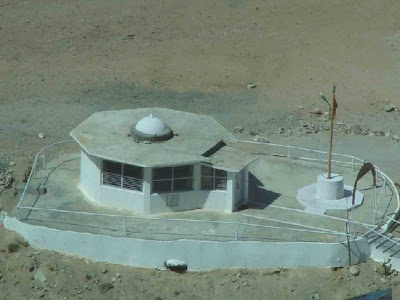
Gurudwara Pathar Sahib, Leh ,J & K,India
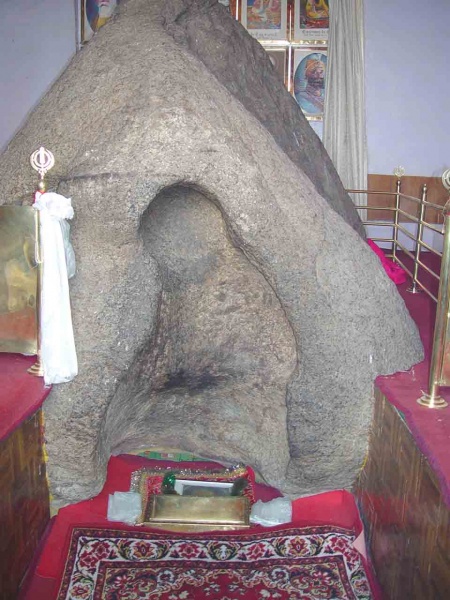
In the late 1970s, during the construction of the Leh-Nimu road, a large boulder was found in the middle of the road bed covered with Buddhists prayer flags by Lamas. The bulldozer driver tried to push and throw away the stone but it did not move and in the process the blades broke and the work stopped. The driver had a dream that night not to move the stone.
He narrated his dream to the army officer who did not give any importance to it. When all efforts to remove it failed it was decided to blow it apart with dynamite the next day. That night the army officer also had a dream not to remove the stone but he again disregarded it. The next day being Sunday he and the workers were visited, early in the morning, by several Lamas and Ladhakhis who came and told them a true story of Baba Nanak ji and the unyielding boulder.

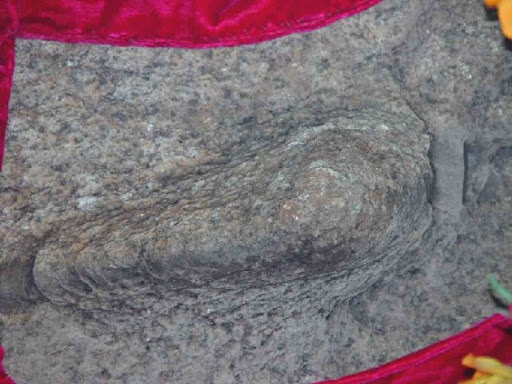
On enquiring further he was told that this pathar they had been having so much trouble with was a "Wax Statue" (a mould with a negative impression) of their revered Lama Nanak and it contained the imprints of his shoulders, head and backside. He was told that during the period of 1515-18 when Guru Nanak was returning back to Punjab through Srinagar, after travelling to Sikkim, Nepal and Tibet, he rested at this place. It is believed that Guru Nanak Dev ji reached Leh via Sikkim, Nepal, Tibet and Yarkhand. The place is revered by both the local lamas and Sikh sangat. Currently the Army is looking after the gurdwara.
One morning when the Guru ji was sitting in meditation, the demon rolled down a large pathar (boulder) from the hilltop, with the intention of killing the Guru. The boulder came rolling down and when it touched the Guru's body, it softened like warm wax and came to a halt against Guru Nanak's back. The Guru ji kept on meditating unhurt and undisturbed. Thinking that the Guru ji had been killed, the demon came down and was taken a back to see the Guruji deep in meditation. In a fit of anger, he tried to push the boulder with his right foot, but as the pathar still had the softness of warm wax, his foot got embedded in it. Pulling his foot from the boulder the demon was dumfounded to see the impression his foot had just left in the stone.
On seeing this, the demon realised his own powerlessness as compared with the spiritual powers of the great Guru. He fell at the feet of Guru Nanak Dev ji and begged for forgiveness. Guru Sahib advised him to get rid of his wicked ways and asked him to lead a life of a noble person. This changed the life of the demon, who gave up evil deeds and started serving the people.

Guru Nanak Dev ji thereafter continued his holy journey towards Srinagar via Kargil. The pathar pushed down by the demon, with the imprint of the body of Guru Nanak Dev ji as the the footprint of the demon, is at present on display in Gurdwara Pathar Sahib. It is said that since the visit of Guru Sahib (in 1517) to 1965, the local lamas have held the pathar sacred and offered prayers to it.
Wednesday, October 17, 2012
Bhai Mardana...ਭਾਈ ਮਰਦਾਨਾ...भाई मरदाना ...
Bhai Mardana.... (1459–1534) was the first follower and longtime companion of Guru Nanak Dev, the founder of Sikhism. He was with Nanak in all of his journeys across India and Asia.
Mardana was a Muslim, born to a Mirasi couple, Badra and Lakkho, of Rai Bhoi di Talwandi, now Nankana Sahib of Pakistan.
The Mirasan were a caste of hereditary minstrels and genealogists. Bhai sahib was ten year older than Guru ji and was his childhood friend and companion.
It is said that Mardana first contacted Guru Nanak to seek help as many people in his family were dying at a young age. Guru Nanak gave him the assurance that henceforth people in his clan will not die early. It is said that the name Mardana came from this assurance- Mar- Da- Na meaning 'Does not die'
Mardana was a Muslim, born to a Mirasi couple, Badra and Lakkho, of Rai Bhoi di Talwandi, now Nankana Sahib of Pakistan.
The Mirasan were a caste of hereditary minstrels and genealogists. Bhai sahib was ten year older than Guru ji and was his childhood friend and companion.
It is said that Mardana first contacted Guru Nanak to seek help as many people in his family were dying at a young age. Guru Nanak gave him the assurance that henceforth people in his clan will not die early. It is said that the name Mardana came from this assurance- Mar- Da- Na meaning 'Does not die'
Guru Nanak and Mardana were both born and raised in the same village. The Miharban Janam Sakhi describes the latter, who was ten years senior in age, as the Guru's companion since his childhood days and as one who sang to him songs from Kabir, Trilochan, Ravidas, Dhanna and Bern. According to Ratan Singh Bhangu, Prachin Panth Prakash, Guru Nanak as a small boy gave Mardana a string instrument improvised from reeds to play on while he sang the hymns.
As Guru Nanak was employed to take charge of the granaries and stores of the Nawab of Sultanpur Lodhi, the stories of his generosity and hospitality spread far and wide. Mardana, already a married man and father of two sons and a daughter, wanted to visit Sultanpur and seek his bounty. Meanwhile, he was charged by Guru Nanak's father Mehta Kalu, to go to Sultanpur and bring news of the welfare of his son. Mardanawent to Sultanpur, never to part company with Guru Nanak again. His occupation was playing the rabab or rebeck as Guru Nanak recited God's glory.
When Guru Nanak prepared to go forth into the world to preach his message, he invited Mardana to accompany him. Mardana hesitated, for he did not wish to leave his family until his daughter had been married off and for this he did not have sufficient means. One of Guru Nanak's disciples, Bhai Bhagirath, bought the needed provisions and Mardana was able to give away his daughter in marriage. He was then ready to accompanyGuru Nanak on his travels.
To relieve the rigour of the journeys, the biographers have described several humorous situations relating to Mardana's touchy behaviour links with desire for food. It is said that he displayed panicky behaviour when prospects of getting the next meal seemed less than certain. He was not easily convinced when Guru Nanak told him to be patient and have trust in something turning up, and wished always to have a reserve of food ready beforehand so that there was certainty that he would not have to endure hunger. The prospect of being without rations created a major problem for Bhai Mardana - hunger-phobia! As the Puratan Janam Sakhi narrates, Guru Nanak and Mardana had not traveled very far from Sultanpur when the latter complained that he felt hungry and needed something to eat immediately.
The Guru pointed to the village they had passed and said that, if he went there, he would be well entertained by Khatris of the Uppal caste who lived in that village. Mardana turned his footsteps in that direction and, arriving in the village, he found everyone more than hospitable. He was fed sumptuously and given ample alms. As he saw him return loaded with a bundle, Guru Nanak, as says the Janam Sakhi, rolled on the ground laughing. Mardana realized the oddity of what he had done and did not know how to get rid of what he had collected. He threw the bundle away when the Guru pointed out to him that those articles would be more of a burden to him.
The Janam Sakhi also contain many anecdotes picturing Mardana in despair out of agonizing hunger or petrifying fear and Guru Nanak or Nature coming to succour him somewhat miraculously. Once the two were passing through a remote wilderness when suddenly a violent storm overtook them. So severe was the tempest that the trees of the jungle began to fly about. Mardana, trembling with fear, thus spoke to the Guru, "True sovereign, thou hast brought me to my death in this forest. I shall not here get a shroud nor a grave." The Guru asked him to remain calm, but Mardana moaned, "I have not faced a calamity like this in my life. What is going to befall my poor soul today?" Then Fire broke out. Smoke was all over and the blaze on all four sides. Mardana covered up his face and laid himself down on the ground saying, "Farewell, life." Then came water. Thick clouds gathered and poured water in torrents. "Raise thy head, Mardana," spoke the Guru, "and take thy rebeck." Mardana tuned the strings and Guru Nanak sang: "If the fear of God is in the heart, all other fear is dispelled..."
According to Puratan Janam Sakhi, Mardana and the Master were taken prisoner by the Mughals at Saidpur. The Guru was given a load to carry on his head and Mardana to lead a horse holding its rein. Mir Khan, the Mughal commander, saw that the Guru's bundle was floating a cubit above his head and Mardana's horse was following him without the reins. He reported the miracle to Sultan Babar, who remarked, "Had there been such faqirs here, the town should not have been struck." Mir Khan asked him to see for himself.
There is some dispute amoung the historian about the place where Bhai ji died but it is believed that in 1534 fell ill and died in Baghdad on the return journey (udasis) from the east. With a heavy heart Guru ji performed the obsequies of Mardana with his own hands. A humble monument was erected in memory of Mardana.
Within an enclosure on a wall an inscription in mixed Turkish and Arabic marks the site. Mardana was called Murad by the residents of Baghdad and being older than Nanak by ten years was considered Guru. Consequently the inscription which was put up after Guru Nanak's departure said:
"Guru Murad died. Baba Nanak faqir helped in constructing this building, which is an act of grace from a virtuous follower, 927 A.H." Mardana appears to have died in December 1534 A.D. at the age of 75. The monument lies near a graveyard, 2.5 kilometres away from the railway station.
Upon the Guru's return to Punjab, Guru ji informed and consoled Mardana's son Shahzada, and other members of his family and asked them not to weep for Bhai ji as he had returned to his heavenly home.
Mata Kaulan Ji..
The Qazi had a beautiful daughter, Kaulan who was a disciple of Mian Mir. From her childhood she had occupied her mind praising God's Name and remembering Him in the company of the saints.
Through the holy company of Mian Mir, she had heard praises of Satguru Sri Guru Har Gobind Sahib Ji Maharaj and she praised Satguru Ji in the midst of her own family.
This incensed her father very much who addressed her, "O Infidel, you praise an infidel (Guru) and obey not the law of Mohammad, according to which it is forbidden, under penalty of death, to praise an infidel."
Kaulan replied, "Father dear, the law of Mohammad does not apply to holy men. Saints are God's servants."
On hearing this from her daughter, the Qazi burnt with bigotry and indignation. After consulting his brother Qazis, he issued an order for the execution of his daughter, Kaulan for her sin of transgressing the Mohammad law.
Kaulan's mother informed her daughter and Mian Mir about the order of the Qazi. Mian Mir recommended to Kaulan, "There appears no means of saving you here. It is better if you go to Amritsar and seek protection of Satguru Sri Guru Har Gobind Sahib Ji Maharaj, the king of kings and the saint of saints. None else but he can save your life." Kaulan heeded Mian Mir's advice and went to Amritsar.
Kaulan began her life at Amritsar under the protection of Satguru Ji. She was given a separate building to reside. Kaulan found consolation in repeating following Shabad:
This Shabad is by Guru Raam Daas Ji in Raag Kaydaaraa on Ang 1118 of Dhan Dhan Sri Guru Granth Sahib Ji Maharaj:
ਕੇਦਾਰਾ ਮਹਲਾ ੪ ਘਰੁ ੧
ੴ ਸਤਿਗੁਰ ਪ੍ਰਸਾਦਿ ॥
ਮੇਰੇ ਮਨ ਹਰਿ ਹਰਿ ਗੁਨ ਕਹੁ ਰੇ ॥
ਸਤਿਗੁਰੂ ਕੇ ਚਰਨ ਧੋਇ ਧੋਇ ਪੂਜਹੁ ਇਨ ਬਿਧਿ ਮੇਰਾ ਹਰਿ ਪ੍ਰਭੁ ਲਹੁ ਰੇ ॥ ਰਹਾਉ ॥
ਕਾਮੁ ਕ੍ਰੋਧੁ ਲੋਭੁ ਮੋਹੁ ਅਭਿਮਾਨੁ ਬਿਖੈ ਰਸ ਇਨ ਸੰਗਤਿ ਤੇ ਤੂ ਰਹੁ ਰੇ ॥
ਮਿਲਿ ਸਤਸੰਗਤਿ ਕੀਜੈ ਹਰਿ ਗੋਸਟਿ ਸਾਧੂ ਸਿਉ ਗੋਸਟਿ ਹਰਿ ਪ੍ਰੇਮ ਰਸਾਇਣੁ ਰਾਮ ਨਾਮੁ ਰਸਾਇਣੁ ਹਰਿ ਰਾਮ ਨਾਮ ਰਾਮ ਰਮਹੁ ਰੇ ॥੧॥
ਅੰਤਰ ਕਾ ਅਭਿਮਾਨੁ ਜੋਰੁ ਤੂ ਕਿਛੁ ਕਿਛੁ ਕਿਛੁ ਜਾਨਤਾ ਇਹੁ ਦੂਰਿ ਕਰਹੁ ਆਪਨ ਗਹੁ ਰੇ ॥
ਜਨ ਨਾਨਕ ਕਉ ਹਰਿ ਦਇਆਲ ਹੋਹੁ ਸੁਆਮੀ ਹਰਿ ਸੰਤਨ ਕੀ ਧੂਰਿ ਕਰਿ ਹਰੇ ॥੨॥੧॥੨॥
ੴ ਸਤਿਗੁਰ ਪ੍ਰਸਾਦਿ ॥
ਮੇਰੇ ਮਨ ਹਰਿ ਹਰਿ ਗੁਨ ਕਹੁ ਰੇ ॥
ਸਤਿਗੁਰੂ ਕੇ ਚਰਨ ਧੋਇ ਧੋਇ ਪੂਜਹੁ ਇਨ ਬਿਧਿ ਮੇਰਾ ਹਰਿ ਪ੍ਰਭੁ ਲਹੁ ਰੇ ॥ ਰਹਾਉ ॥
ਕਾਮੁ ਕ੍ਰੋਧੁ ਲੋਭੁ ਮੋਹੁ ਅਭਿਮਾਨੁ ਬਿਖੈ ਰਸ ਇਨ ਸੰਗਤਿ ਤੇ ਤੂ ਰਹੁ ਰੇ ॥
ਮਿਲਿ ਸਤਸੰਗਤਿ ਕੀਜੈ ਹਰਿ ਗੋਸਟਿ ਸਾਧੂ ਸਿਉ ਗੋਸਟਿ ਹਰਿ ਪ੍ਰੇਮ ਰਸਾਇਣੁ ਰਾਮ ਨਾਮੁ ਰਸਾਇਣੁ ਹਰਿ ਰਾਮ ਨਾਮ ਰਾਮ ਰਮਹੁ ਰੇ ॥੧॥
ਅੰਤਰ ਕਾ ਅਭਿਮਾਨੁ ਜੋਰੁ ਤੂ ਕਿਛੁ ਕਿਛੁ ਕਿਛੁ ਜਾਨਤਾ ਇਹੁ ਦੂਰਿ ਕਰਹੁ ਆਪਨ ਗਹੁ ਰੇ ॥
ਜਨ ਨਾਨਕ ਕਉ ਹਰਿ ਦਇਆਲ ਹੋਹੁ ਸੁਆਮੀ ਹਰਿ ਸੰਤਨ ਕੀ ਧੂਰਿ ਕਰਿ ਹਰੇ ॥੨॥੧॥੨॥
kaedhaaraa mehalaa 4 ghar 1
ik oa(n)kaar sathigur prasaadh ||
maerae man har har gun kahu rae ||
sathiguroo kae charan dhhoe dhhoe poojahu ein bidhh maeraa har prabh lahu rae || rehaao ||
kaam krodhh lobh mohu abhimaan bikhai ras ein sa(n)gath thae thoo rahu rae ||
mil sathasa(n)gath keejai har gosatt saadhhoo sio gosatt har praem rasaaein raam naam rasaaein har raam naam raam ramahu rae ||1||
a(n)thar kaa abhimaan jor thoo kishh kishh kishh jaanathaa eihu dhoor karahu aapan gahu rae ||
jan naanak ko har dhaeiaal hohu suaamee har sa(n)than kee dhhoor kar harae ||2||1||2||
ik oa(n)kaar sathigur prasaadh ||
maerae man har har gun kahu rae ||
sathiguroo kae charan dhhoe dhhoe poojahu ein bidhh maeraa har prabh lahu rae || rehaao ||
kaam krodhh lobh mohu abhimaan bikhai ras ein sa(n)gath thae thoo rahu rae ||
mil sathasa(n)gath keejai har gosatt saadhhoo sio gosatt har praem rasaaein raam naam rasaaein har raam naam raam ramahu rae ||1||
a(n)thar kaa abhimaan jor thoo kishh kishh kishh jaanathaa eihu dhoor karahu aapan gahu rae ||
jan naanak ko har dhaeiaal hohu suaamee har sa(n)than kee dhhoor kar harae ||2||1||2||
Kaydaaraa, Fourth Mehl, First House:
One Universal Creator God. By The Grace Of The True Guru:
O my mind, chant the Glorious Praises of the Lord, Har, Har.
Wash the Feet of the True Guru, and worship them. In this way, you shall find my Lord God. ||Pause||
Sexual desire, anger, greed, attachment, egotism and corrupt pleasures - stay away from these.
Join the Sat Sangat, the True Congregation, and speak with the Holy People about the Lord. The Love of the Lord is the healing remedy; the Name of the Lord is the healing remedy. Chant the Name of the Lord, Raam, Raam. ||1||
So you think that the egotistical pride in power which you harbor deep within is everything. Let it go, and restrain your self-conceit.
Please be kind to servant Nanak, O Lord, my Lord and Master; please make him the dust of the Feet of the Saints. ||2||1||2||
One Universal Creator God. By The Grace Of The True Guru:
O my mind, chant the Glorious Praises of the Lord, Har, Har.
Wash the Feet of the True Guru, and worship them. In this way, you shall find my Lord God. ||Pause||
Sexual desire, anger, greed, attachment, egotism and corrupt pleasures - stay away from these.
Join the Sat Sangat, the True Congregation, and speak with the Holy People about the Lord. The Love of the Lord is the healing remedy; the Name of the Lord is the healing remedy. Chant the Name of the Lord, Raam, Raam. ||1||
So you think that the egotistical pride in power which you harbor deep within is everything. Let it go, and restrain your self-conceit.
Please be kind to servant Nanak, O Lord, my Lord and Master; please make him the dust of the Feet of the Saints. ||2||1||2||
Quite a bit of time passed in this manner until one day she took all her jewels and placed them before the king of kings, Satguru Ji, Sri Guru Har Gobind Sahib Ji Maharaj and said, "O friend of the poor, please apply the price of these jewels to some religious object by which my name may be remembered in the world for sometime."
Satguru Ji got a tank excavated in her name with that money in 1621. The tank is still famous as Kaulsar in the city of Amritsar.
Subscribe to:
Posts (Atom)